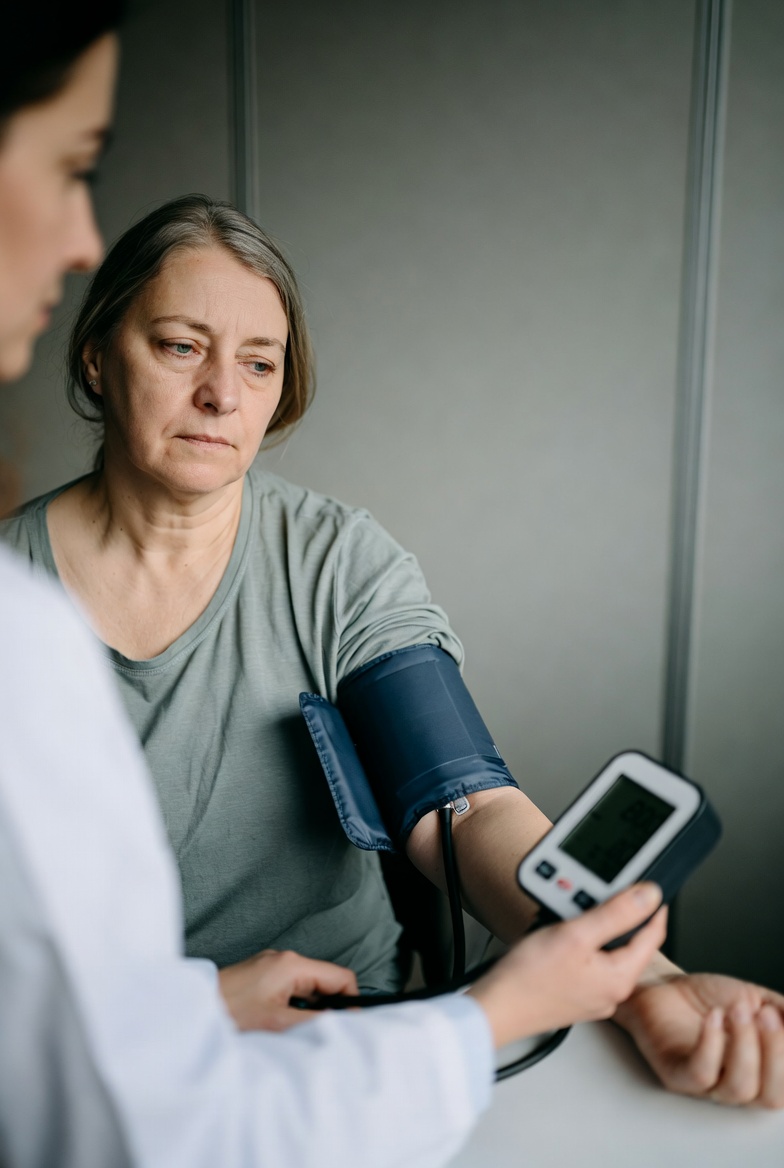
Are you walking less, hesitating before a flight of stairs, anticipating every movement? Yet stopping all movement often makes things worse. The body needs movement to stay mobile. Certain gentle physical activities can relieve the joints while restoring confidence in everyday movements.
November 20, 2026
Moving Despite Pain: What Certain Approaches Change
When pain sets in, daily life ends up shrinking without you even realizing it.

Water-based activities gently relieve the joints
Water remains one of the most comfortable environments when your joints become painful.
Buoyancy naturally reduces body weight and lets you move with far less strain. For a long time, I thought exercise would make my knee pain worse. In reality, some sessions in the water were the first in which I could move without anticipating every movement.
Gentle swimming, especially front crawl or backstroke, helps mobilize the shoulders, hips and back without impact. Breaststroke, on the other hand, can aggravate some knee or hip pain because of its opening movement.
Water aerobics and aqua fitness strengthen the muscles without overloading the joints. Water walking, for its part, improves endurance and balance while limiting tension. Many older women rediscover in the water an almost forgotten sensation: that of a lighter, more fluid body.
Gentle cardio activities maintain mobility
When you suffer from joint pain, moving regularly becomes more useful than chasing performance. Gentle cardio activities:
· Keep your circulation going
· Nourish the joints
· And limit the gradual stiffening of the body.
Brisk walking or Nordic walking often remain the most accessible options in everyday city life. On flat ground, they gradually loosen the hips, knees and ankles. Whenever I went several days without walking, my body felt stiffer when I woke up.
Cycling, whether on a stationary bike or a regular one, also brings relief to many people because it strengthens the legs without making the body bear its own weight. The circular motion nourishes the joints without harsh impact.
The elliptical, for its part, offers a very smooth movement that is particularly easy on the knees. These activities don’t always make the pain go away immediately, but they often reduce that feeling of a frozen body that sets in over time and with a sedentary lifestyle.
Gentle exercises strengthen without straining
With age, the fear of falling or of “moving the wrong way” sometimes ends up holding you back more than the pain itself. Gentle activities such as chair yoga, Tai Chi or Pilates work precisely on this relationship between stability, breathing and mobility.
Gentle yoga helps make the body more supple while strengthening the deep muscles that support the joints. Tai Chi, with its slow, continuous movements, improves balance and reduces unnecessary tension. Many people also regain better body awareness, which makes getting around safer day to day.
Pilates and targeted strength exercises with resistance bands or light weights help strengthen the muscles around sensitive areas such as the knees or hips.
Over time, I came to understand that a more stable body tires less. Pain then becomes less overwhelming because the body is no longer constantly compensating.
A few simple habits make movement easier day to day
When pain is present, how you practice matters as much as the activity itself. The first rule is simple. A movement should never cause sharp pain. If your body is “forcing,” slow down or stop.
A gradual approach makes a huge difference. Starting with ten or fifteen minutes is often enough at first. The body needs to regain confidence before it regains endurance.
A gentle warm-up also helps a great deal. A hot shower, a few slow joint movements or a short walk can often “unlock” feelings of stiffness before exercise.
Finally, consistency remains essential. Moving a little every day often brings more benefits than one long, exhausting session on the weekend.
Some recovery approaches can also bring the body relief after exercise. Infrared cabin sessions often help relax the muscles and reduce that feeling of lingering stiffness after gentle physical activity. The deep heat acts quickly on tension and makes for more comfortable recovery.
The body responds better to consistency than to excessive effort.

“Moving despite pain isn’t about fighting your body. It’s about learning to move forward with it in a different way.”
Spark Club · Paris 2nd & 16th
A 15- to 25-minute workout, in a private cabin
This guide is published by Spark Club, an infrared fitness studio in Paris: you work out alone or with one or two friends in a private infrared-heated cabin, and every session is guided on screen by a coach, with no group classes. Two clubs: Sentier (10 rue du Caire, Paris 2nd) and Trocadéro (8 rue Bellini, Paris 16th).
See the Discovery Pass
First visit €20, no commitment