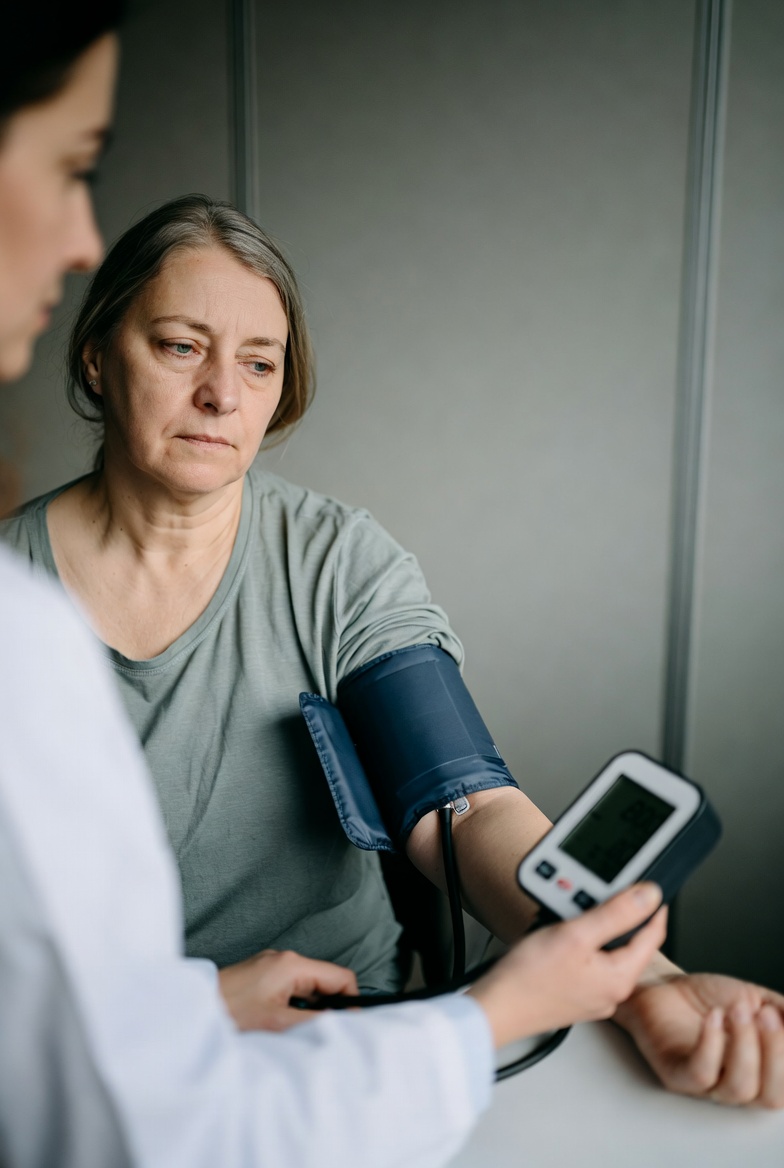
When blood pressure rises above normal, many women hesitate to move more. They fear overdoing it, speeding up their heart, or making things worse. Yet when well chosen and well dosed, movement can become a quiet but real ally for the body’s balance.
November 20, 2026
With High Blood Pressure, Can Exercise Really Help or Make It Worse?
When your blood pressure rises, the idea of exercising can feel both reassuring and a little worrying.

Can you exercise when you have high blood pressure?
I always believed that a heart already beating too hard needed to be spared. The idea of exercising seemed almost contradictory. Yet I discovered that prolonged inactivity often keeps blood pressure up rather than easing it.
When the body stays too sedentary, blood vessels become less flexible. Circulation flows less smoothly, and the heart has to work harder to move blood around the body.
Conversely, when you bring a little movement into your week, your arteries gradually become more flexible and circulation becomes smoother.
In practical terms, this can help ease the pressure on the artery walls.
I felt it fairly quickly with gentle movement sessions: brisk walking, mobility work, and light strength training. Nothing excessive. Just a body getting moving again after days spent sitting down.
You can start the same way. What matters most isn’t intensity. It’s consistency. Moving a little, but often, helps the body find a steadier rhythm.
Why can physical activity lower blood pressure?
What struck me when I started looking into blood pressure was how much it depends on several subtle balances: blood circulation, breathing, muscle contraction, and the ability of the arteries to dilate.
When you do moderate physical activity, several things happen at once.
The working muscles use more oxygen. To meet this demand, blood vessels dilate. This dilation eases circulation and reduces resistance in the arteries.
Over time, this adaptation becomes more lasting.
The heart also becomes more efficient. It manages to pump blood with less effort at rest. That is why blood pressure can gradually stabilize.
There was a period when I felt constantly under pressure, almost physically. After a few weeks of gentle but regular activity, I noticed something simple. My breathing became fuller and my body less tense.
You may notice the same thing. This physical release isn’t just a feeling. It genuinely contributes to regulating blood circulation.
Which types of exercise are best suited to high blood pressure?
When it comes to exercise and high blood pressure, everything depends on the type of effort.
Some activities work the body while remaining gentle on blood pressure. This is often the case with brisk walking, mobility exercises, light strength training, or practices that combine breathing and movement.
If your blood pressure is high, favoring this type of activity can allow the body to work without triggering too sharp a rise in pressure.
Personally, I found that certain slow, almost meditative exercises had a surprising effect. The body works, but without strain. The breath accompanies each movement.
This type of activity improves blood circulation, posture, and breathing all at once.
On the other hand, very explosive efforts or overly heavy loads can cause a significant temporary rise in blood pressure. Without cutting them out completely, it may feel safer to introduce them gradually.
Your body often guides you quite well. When a workout leaves you with a feeling of calm energy rather than excessive fatigue, you are generally at the right pace.
How can you move without risking higher blood pressure?
The real question isn’t just “should I exercise,” but how to move in a way that suits you.
With high blood pressure, the body particularly benefits from regular, moderate, and progressive activity.
At first, 20 to 30 minutes is plenty. The goal isn’t performance. It’s simply to get your circulation going and settle into fuller breathing.
You can pay attention to what happens in your body during exercise: your breathing, how your legs feel, and your heart rate. These cues often become more reliable than performance.
I realized that the most beneficial sessions were the ones I left with a feeling of calm energy, not exhaustion.
A few simple guidelines can help:
· Favor gentle endurance activities
· Breathe deeply during exercise
· Avoid holding your breath during movements
· Stay attentive to your body’s sensations
Over time, this consistency becomes almost a physical anchor. And that’s often when you realize that movement, well chosen, can become a quiet form of care.
“The body often finds its balance again when movement stays gentle.”
Spark Club · Paris 2nd & 16th
A 15- to 25-minute workout, in a private cabin
This guide is published by Spark Club, an infrared fitness studio in Paris: you work out alone or with one or two friends in a private infrared-heated cabin, and every session is guided on screen by a coach, with no group classes. Two clubs: Sentier (10 rue du Caire, Paris 2nd) and Trocadéro (8 rue Bellini, Paris 16th).
See the Discovery Pass
First visit €20, no commitment