A stiff neck, a racing heart on the metro, or nervous fatigue that’s hard to explain? Some sensations become almost familiar. You may tell yourself it’s just a busy period. Yet this inner restlessness can also affect your blood pressure.
November 20, 2026
The Surprising Role of Stress in the Gradual Rise of Blood Pressure
Sometimes blood pressure changes quietly, simply following the pace your daily life sets for you.

How does stress really affect blood pressure?
We often think of stress as a simple, passing emotion. In reality, it triggers a very concrete physical reaction.
When mental pressure appears (a pile-up of obligations, a lingering annoyance, or fatigue that sets in), your body goes on alert.
· The heart speeds up
· Blood vessels tighten slightly
· And circulation intensifies so the body can react quickly.
In the moment, this mechanism is normal. It helps you cope with a demanding situation. But if these episodes become frequent, the body stays on alert longer than necessary. Blood vessels can remain more constricted, and blood pressure can gradually rise.
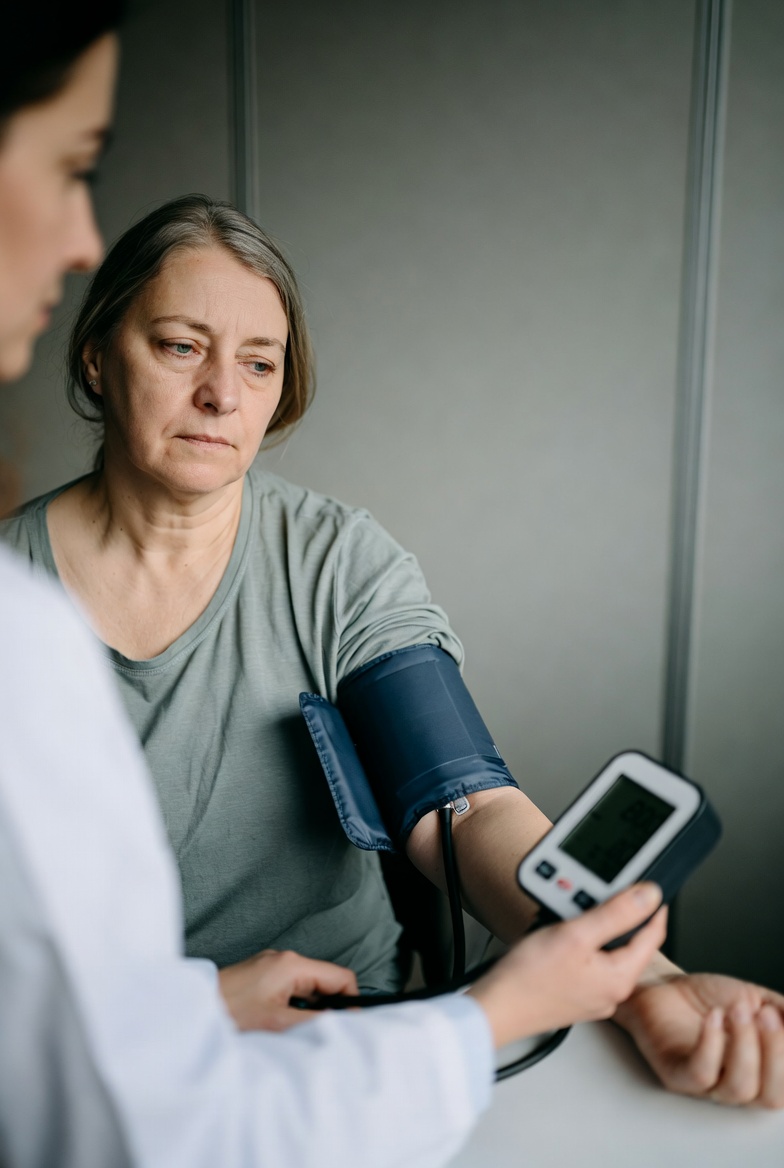
I noticed this almost by chance. During a routine checkup, my blood pressure was slightly higher than usual. Nothing worrying, but enough to make me wonder. Looking more closely at my weeks, I realized they were filled with constant restlessness: few breaks, packed days, and a mind rarely at rest.
You may recognize this pace too. Blood pressure doesn’t rise suddenly. It simply follows the intensity of your days.
Why does chronic stress contribute to high blood pressure?
The gradual rise in blood pressure linked to stress isn’t just about the emotion itself. It often sets in through several indirect effects.
When your mind is constantly busy, your body recovers less well.
· Sleep becomes lighter
· Breathing becomes shallower
· And physical activity often takes a back seat.
Taken individually, these small imbalances seem harmless. Together, they create fertile ground for high blood pressure.
When my days ended late, often in front of a screen, my sleep was fragmented. Without realizing it, I was breathing high in my chest, almost locked up. A nervous fatigue slowly set in.
If you are going through this kind of period, your body may also adapt to this state of constant tension. Blood circulation changes slightly, vessel walls stiffen more easily, and blood pressure can follow this trend.
That’s why managing stress isn’t only a matter of mental well-being. It also plays a very concrete role in cardiovascular balance.
How can you recognize the signs of stress-related blood pressure?
High blood pressure often remains silent, but your body sometimes sends subtle signals.
In my case, it wasn’t a clear pain. More of a vague feeling: a slightly heavy head at the end of the day, constantly tense shoulders, sometimes a strange fatigue even though the day had been nothing out of the ordinary.
You may have already felt:
· A more noticeable heartbeat
· A feeling of pressure in your head
· Difficulty relaxing in the evening
· Shorter or irregular breathing.
These sensations don’t necessarily mean your blood pressure is high. But they can indicate that your body is staying under pressure for too long.
The only reliable way to check is still to have your blood pressure measured regularly at a medical checkup. That said, paying attention to these signals can help you better understand what is happening in your body.
Which habits can help ease blood pressure day to day?
What struck me is that helpful adjustments aren’t necessarily complicated. Often, it’s small habits that give the body room again.
Movement, for example, acts directly on blood circulation. When you walk regularly or do gentle physical activity, blood vessels stay more flexible and blood pressure tends to stabilize.
I also felt the very concrete effects of breathing. During yoga sessions, deliberately slowing the breath creates immediate relaxation. The heart rate drops, the shoulders loosen, and inner tension eases.
If your week is packed, adding activities such as Pilates, brisk walking, or mobility exercises can become a real breather in busy city life. These moments allow the body to leave the low-level state of alert that sometimes sets in without us noticing.
You don’t need to overhaul your whole schedule. A few regular appointments with movement and breathing can already change the way your body handles pressure.
“The heart can handle a lot, but it also needs to be given room to breathe.”
Spark Club · Paris 2nd & 16th
A 15- to 25-minute workout, in a private cabin
This guide is published by Spark Club, an infrared fitness studio in Paris: you work out alone or with one or two friends in a private infrared-heated cabin, and every session is guided on screen by a coach, with no group classes. Two clubs: Sentier (10 rue du Caire, Paris 2nd) and Trocadéro (8 rue Bellini, Paris 16th).
See the Discovery Pass
First visit €20, no commitment