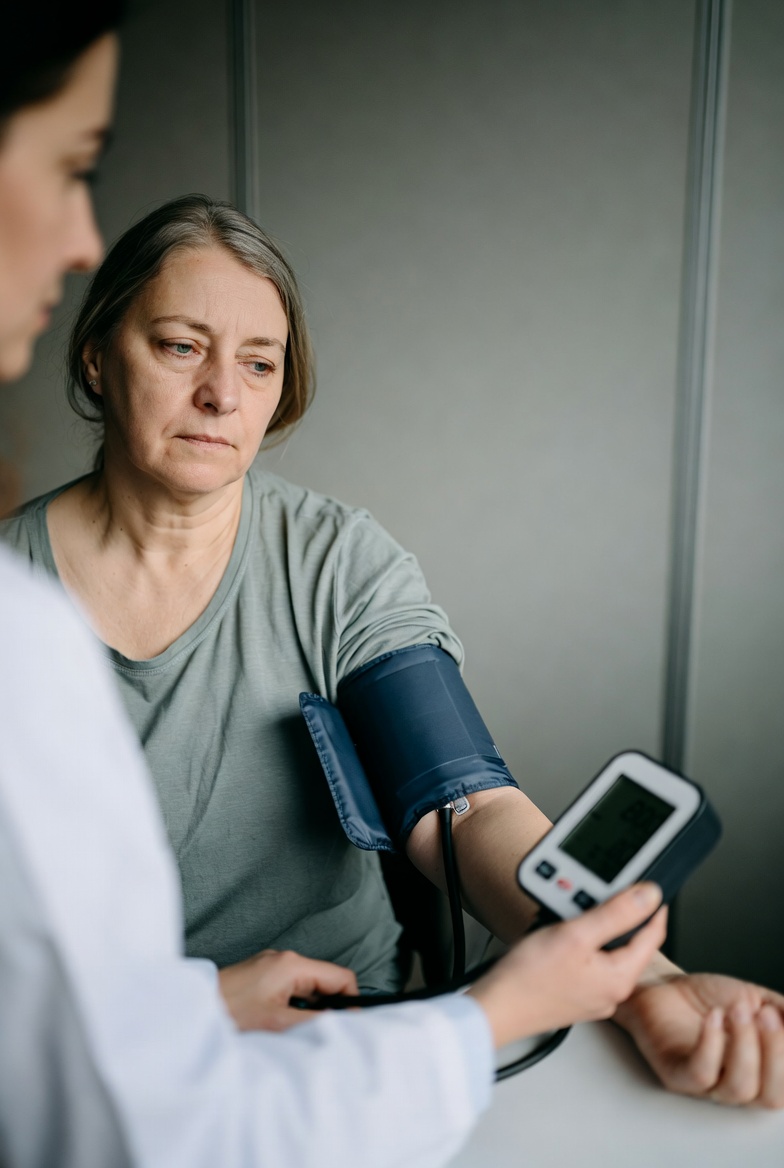
You can feel your body changing, but hormone treatments don’t suit you or leave you with questions. This period can quickly become uncomfortable, especially when solutions seem unclear or ill-suited. Alternatives to certain treatments then take on a more concrete place in your daily life, along with the wish to find answers that respect your rhythm and your balance.
November 20, 2026
Alternatives to Hormone Treatments Exist and Have Their Place, Depending on Individual Needs and Circumstances
When your usual reference points shift, finding what truly suits you becomes urgent.

Why look for alternatives to hormone treatments?
Not all women experience menopause in the same way. Hormone treatments aren’t always seen as an obvious solution. While they can relieve some symptoms, they also come with effects that raise questions.
Some women feel out of sync with their body, as if its signals were becoming harder to read. Others mention breast tenderness, more frequent migraines or a kind of vague discomfort that is hard to explain.
There is also a quieter worry, linked to potential long-term risks, that keeps you on your guard.
I remember talking with a friend who had started a treatment. She told me she felt “better,” but not really aligned. As if something had been smoothed over without truly being soothed. That nuance matters.
These feelings lead some women to look for something else. Not to do less, but to do things differently. Natural alternatives are part of this search for a more gradual balance, one that better respects the body’s fluctuations.
You may feel this need too. Turning to gentler solutions that support you without forcing things then becomes a way of staying attuned to yourself.
Are natural alternatives really effective?
Yes, but their reach is limited and needs to be well understood.
Natural alternatives can relieve some of the symptoms, without matching the effectiveness of conventional hormone treatments. They are estimated to improve well-being for about 30% of women, compared with nearly 70% for synthetic treatments. This difference takes nothing away from their value, but it calls for adjusting your expectations.
Phytoestrogens, found in certain plants, act like plant hormones. They partially mimic the action of estrogens in the body, which can ease hot flashes or certain mood swings. This effect is gentler and more gradual.
I tried red clover myself at a time when my nights were becoming unsettled. The improvement was real, but subtle. It was by making it part of a more coherent whole that I felt genuine relief.
It is also important to keep in mind that a natural product can also have effects on the body. Soy and red clover are not recommended if you have a history of hormone-dependent cancers. Black cohosh, for its part, calls for particular vigilance regarding the liver.
Before starting a course, it remains important to seek medical advice to avoid side effects that are often underestimated.
How can you live better with menopause day to day without hormones?
Daily life plays a more structuring role than we imagine. Habits directly influence the intensity of symptoms such as hot flashes, irritability or waking at night.
Some periods became more uncomfortable when my body lacked reference points. By reintroducing a simple routine, the sensations gradually stabilized.
A healthy lifestyle during menopause relies on concrete adjustments.
On the nutrition side, increasing calcium helps protect your bones. You’ll find it in green vegetables and dairy products. Vitamin D is just as important. Sun exposure of 15 to 20 minutes a day is often enough. Omega-3s, found in walnuts or sardines, support the heart, which is more vulnerable during this period.
Physical activity also plays a key role. About 150 minutes a week, divided among brisk walking, cycling or infrared cabin yoga in Paris, is enough to:
· Stabilize your weight
· Maintain muscle mass
· And ease mood swings
Sleep also needs particular attention. Going to bed at set times, keeping the bedroom cool and limiting screens for at least an hour beforehand make it easier to fall asleep naturally.
Finally, calming the mind truly makes a difference. Meditation, sophrology or a few slow stretches release accumulated tension and let you experience symptoms with more perspective.
“Menopause doesn’t need to be corrected; it needs to be supported with intelligence and gentleness.”
Spark Club · Paris 2nd & 16th
A 15- to 25-minute workout, in a private cabin
This guide is published by Spark Club, an infrared fitness studio in Paris: you work out alone or with one or two friends in a private infrared-heated cabin, and every session is guided on screen by a coach, with no group classes. Two clubs: Sentier (10 rue du Caire, Paris 2nd) and Trocadéro (8 rue Bellini, Paris 16th).
See the Discovery Pass
First visit €20, no commitment