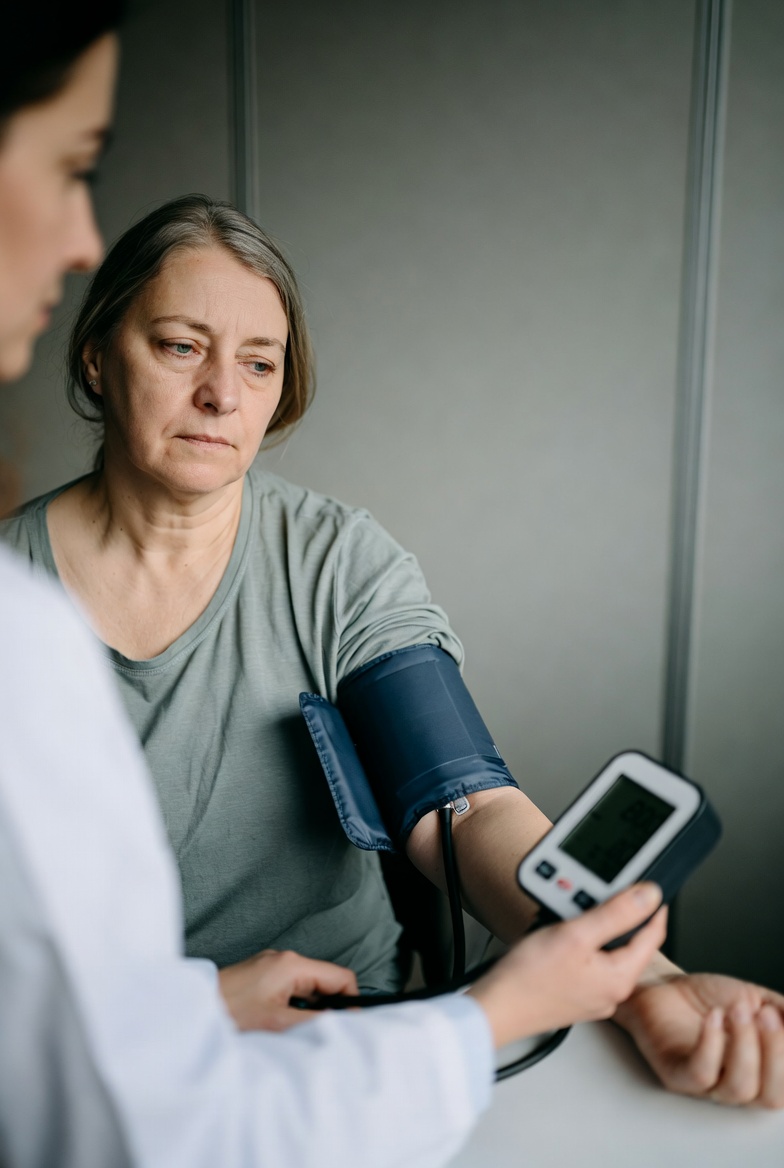
Do you get exhausted faster than before, even after a decent night’s sleep or what was supposedly a “normal” day? This drop in energy often sets in quietly, until even the slightest effort feels heavy. Between more fragile nights, accumulated tension and a body that recovers differently, many people end up carrying on without ever regaining their true drive.
November 20, 2026
That Drop in Energy, and What Can Still Change
Sometimes it isn’t sudden, overwhelming fatigue, but a vaguer feeling: less drive, less clarity, less desire.

Why do we feel a drop in energy as we get older?
With age, fatigue doesn’t come from a single cause. The body changes gradually, sometimes quietly, until it gives you that strange feeling of having “less in reserve.”
Muscle mass naturally declines over the years. Even without gaining weight, you can lose strength and endurance without really noticing. This loss of muscle also slows down energy production day to day.
On top of this, recovery becomes more fragile. Sleep often becomes lighter and more broken up. You may sleep the same number of hours but no longer wake up feeling as rested. I have felt this myself at certain times: a decent night on paper, yet fatigue still there first thing in the morning.
The body also produces energy less efficiently at the cellular level. Hormonal changes, particularly after menopause, can accentuate this loss of vitality, as can a diet too low in protein, certain deficiencies or a lack of movement.
And then there are the less visible factors: prolonged stress, certain medical treatments, isolation or a more sedentary life. All of these wear the body down more deeply than we imagine.
How can you tell normal fatigue from a real lack of energy?
It’s normal to feel tired after a busy period, a bad night or more strenuous physical effort. This “ordinary” fatigue is temporary. After some rest, a more restorative night or a quieter weekend, your energy gradually returns. You can keep up your usual activities, even if you feel like slowing down a little.
A real lack of energy is different. It sets in for no obvious reason and never really goes away, even after sleeping. Some people already wake up exhausted. I remember a period when I thought I was simply lacking enthusiasm, when in reality my body could no longer recover properly.
This deeper fatigue also affects your mood and daily life. You may become more irritable, less focused, forget things or lose the desire to go out. Even simple tasks (preparing a meal, going grocery shopping, replying to a message) take more effort.
The body seems to be running “in slow motion.” Some people also lose their appetite or feel a vague sadness that is hard to explain. When this feeling lasts several weeks, it becomes important to talk to a healthcare professional to rule out a medical or nutritional cause.
What can you do to regain energy after 50?
Regaining energy and aging well mainly require giving the body regular reference points again. What really changes vitality isn’t intensity, but consistency.
Walking 30 minutes a day, even at a moderate pace, already improves endurance, circulation and sleep quality. Two to three weekly sessions of swimming, easy cycling, Pilates or yoga also help preserve muscle mass, which is essential for maintaining a good energy level.
After a few weeks of regular movement, I was recovering better mentally too. The body feels less heavy, the mind clearer.
Diet plays a direct role. You can support your vitality by increasing quality protein, fresh vegetables, antioxidant-rich fruit and whole grains such as quinoa or brown rice. Conversely, overly sugary meals, alcohol and ultra-processed foods tire the body further.
Some practices also speed up recovery. Infrared cabin sessions, often lasting 20 to 30 minutes, provide deep heat that:
· Promotes muscle relaxation
· Improves circulation
· And helps the body recover more quickly
Many people notice more restorative sleep from the very first sessions.
Finally, breathing more slowly, maintaining social connections and returning to regular sleep routines genuinely help the body regain a steadier balance.

“Getting your energy back often means relearning to respect your own pace.”
Spark Club · Paris 2nd & 16th
A 15- to 25-minute workout, in a private cabin
This guide is published by Spark Club, an infrared fitness studio in Paris: you work out alone or with one or two friends in a private infrared-heated cabin, and every session is guided on screen by a coach, with no group classes. Two clubs: Sentier (10 rue du Caire, Paris 2nd) and Trocadéro (8 rue Bellini, Paris 16th).
See the Discovery Pass
First visit €20, no commitment