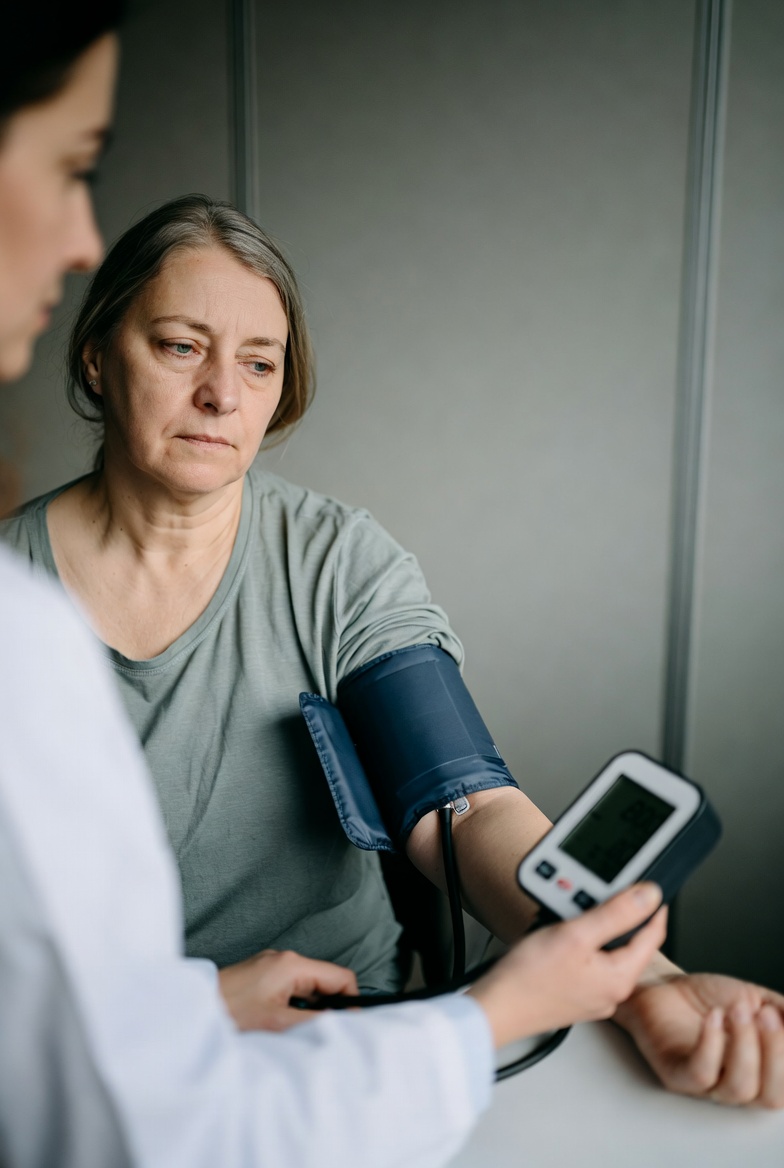
Exercising with asthma can be worrying, especially when breathlessness sometimes feels like a warning sign that’s hard to tell apart from simple fatigue. Yet many women discover over time that well-adapted exercise can also transform their breathing, their endurance and their relationship with their body.
November 20, 2026
Exercising with Asthma: What Many People Discover
Breathing can become a source of worry even before you start exercising, especially when asthma creeps into an already tiring daily life.

Does exercise really trigger asthma attacks?
Yes, some physical activities can cause exercise-induced asthma, but it isn’t movement itself that causes the problem. It’s mainly how the airways react during and after very rapid breathing.
A close friend who has had asthma since childhood told me she could run for a few minutes without any difficulty. Then she would start coughing violently once she stopped. Like many people, she thought the attack came during the effort. In reality, symptoms often appear 5 to 15 minutes afterward.
During intense exercise, air enters the lungs faster and doesn’t have time to be warmed or humidified enough.
The airways dry out, especially if the air is cold, dry or polluted. The bronchial tubes then tighten suddenly. This is called bronchospasm. It can cause chest tightness, wheezing or a feeling of air being “blocked.”
Continuous, very intense sports such as running, soccer or basketball call for more precautions, especially in winter. By contrast, activities done in intervals or in a warm, humid atmosphere are often better tolerated.
The only real contraindication is scuba diving, because compressed air is particularly dry and cold.
Which sports should you favor to improve asthma?
Some sports can genuinely help you live better with asthma, provided you choose activities suited to your breathing.
My friend, who has had asthma since her student days, had given up exercise after several episodes of breathlessness while running. She thought her body “wasn’t made for it.” In reality, the problem wasn’t physical activity, but the intensity and type of effort.
Moderate endurance sports allow the body to gradually build its breathing capacity without straining the airways. Swimming and water aerobics are often very well tolerated, because the air there is warmer and more humid, which irritates the airways less. Breathing work in the water also helps develop lung volume.
Brisk walking, moderate cycling or Nordic walking build endurance more gradually. Unlike a sudden burst of effort, they teach your breathing to regulate itself.
She also gained a great deal from Pilates and yoga, which open the rib cage and reduce stress-related breathing tension. Even racket sports such as badminton can be suitable, because they naturally alternate effort and recovery, which tires the airways less.
How can you exercise with asthma without putting yourself at risk?
If you’ve decided to start or return to exercise despite your asthma, the most important thing is that your asthma stays well controlled day to day.
My friend had stopped all activity for several years after a few distressing attacks. What changed things for her wasn’t performance, but preparation.
Before getting back into it, she had her breathing checked and her treatment adjusted. She never goes anywhere without her rescue inhaler. When preventive treatment is needed before exercise, she always takes it a few minutes before the session. This spares her that feeling of “blocked” airways in the very first minutes.
She also understood the importance of a very gradual warm-up. For 10 to 15 minutes, she slowly increases the intensity to give her airways time to adapt. Breathing more through her nose also helps warm and humidify the air before it reaches her airways. Today, she mainly avoids outdoor sessions when the air is cold, dry or heavily polluted.
On days with high pollution or pollen peaks, choose indoor activities. Above all, don’t stop abruptly after exercising. A few minutes of cooldown can completely change your respiratory recovery.

“Breathing more freely often starts with no longer fighting your own breath.”
Spark Club · Paris 2nd & 16th
A 15- to 25-minute workout, in a private cabin
This guide is published by Spark Club, an infrared fitness studio in Paris: you work out alone or with one or two friends in a private infrared-heated cabin, and every session is guided on screen by a coach, with no group classes. Two clubs: Sentier (10 rue du Caire, Paris 2nd) and Trocadéro (8 rue Bellini, Paris 16th).
See the Discovery Pass
First visit €20, no commitment